It’s a war out here: The World of Keyboard Warriors. Daso Obak
Introduction
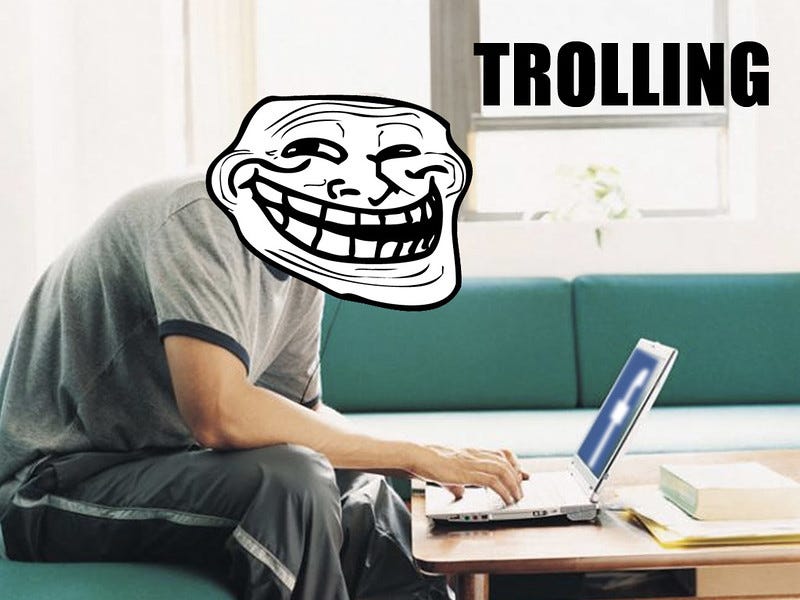
The internet has transformed the way we communicate and connect with others, opening up avenues for global interaction and exchange of ideas. Amid this digital landscape, a phenomenon known as “keyboard warriors” has emerged. These individuals use the anonymity of the online world to engage in aggressive, offensive, and harmful behavior. While the internet has brought numerous positive changes to our lives, the rise of keyboard warriors highlights a darker aspect of online interactions. In this article, we delve into why keyboard warriors are bad for individuals, communities, and society at large.

1.Anonymity Breeds Negativity:
One of the key factors that contribute to the harmful behavior of keyboard warriors is the shield of anonymity. When individuals can express their thoughts without revealing their true identities, it often emboldens them to engage in more aggressive and hurtful behavior than they would in face-to-face interactions. This anonymity allows them to distance themselves from the consequences of their words, leading to a disconnect between their online and offline personas.
The lack of accountability can lead to a toxic online environment where individuals feel they can spew hate speech, engage in cyberbullying, and indulge in personal attacks without facing repercussions. This phenomenon undermines the concept of responsible and respectful communication, eroding the quality of online discourse.

2. Dehumanization and Empathy Deficit:
The online world often lacks the nuances of real-life interactions, making it easier for keyboard warriors to forget that they are communicating with real people. The dehumanization that comes with this detachment can lead to a deficit in empathy and compassion. Behind the screen, it’s easy to forget that the targets of their attacks are human beings with feelings, emotions, and vulnerabilities.
This empathy deficit not only perpetuates negativity and toxicity but also contributes to the normalization of harmful behavior. As keyboard warriors engage in cruel and disrespectful interactions, they inadvertently contribute to an environment where empathy becomes a rarity.

3. Escalation of Conflict:
Keyboard warriors thrive on conflict and often escalate situations rather than seeking resolution. The digital realm provides a platform where individuals can easily amplify arguments, taking them to levels that would rarely be reached in face-to-face conversations. The distance created by screens enables keyboard warriors to ignore the subtleties of nonverbal cues, leading to misunderstandings and more intense clashes.
This constant escalation of conflicts contributes to an environment of hostility and divisiveness, which has far-reaching consequences for both online and offline interactions. Keyboard warriors foster an atmosphere where compromise and productive conversations are often drowned out by the noise of anger and aggression.

4. Impact on Mental Health:
The targets of keyboard warriors bear the brunt of the harm caused by online vitriol. Cyberbullying, harassment, and personal attacks can have severe psychological and emotional consequences. Victims may experience anxiety, depression, and a decline in self-esteem due to the relentless onslaught of negativity.
Moreover, even observers of such behavior can be affected. Witnessing hateful and aggressive interactions can contribute to feelings of unease, discomfort, and a sense of insecurity in the online space. As a result, the mental well-being of both targets and observers is compromised, perpetuating a cycle of negativity.

5. Undermining Productive Discourse:
Keyboard warriors often derail productive conversations by injecting toxicity and personal attacks. Meaningful discussions about important topics can quickly devolve into name-calling and heated arguments. This phenomenon undermines the potential of the internet as a platform for open dialogue and the exchange of diverse viewpoints.
By turning discussions into battlegrounds, keyboard warriors deter individuals from engaging in thoughtful conversations. This undermines the potential for learning, growth, and the development of informed opinions. The internet, which has the potential to be an inclusive space for constructive discussions, is hampered by the presence of these disruptive actors.

6. Spread of Misinformation:
The toxic environment created by keyboard warriors often facilitates the spread of misinformation and false narratives. When respectful communication is replaced by hostility, logical arguments take a backseat, and sensationalism gains ground. Keyboard warriors, more interested in being provocative than accurate, contribute to the dissemination of distorted facts and unfounded rumors.
This perpetuates a culture of ignorance and misinformation, where falsehoods are amplified and facts are overshadowed. As a result, the collective understanding of crucial issues is clouded by half-truths and outright lies.

Conclusion
While the internet has revolutionized communication and connectivity, the rise of keyboard warriors casts a shadow over these advancements. The harmful behavior exhibited by keyboard warriors is a reminder of the dark side of anonymity, the dehumanizing effect of online interactions, and the erosion of empathy and productive discourse. The impact on mental health, the undermining of productive conversations, and the spread of misinformation all contribute to a digital landscape that is far from its potential as a platform for positive change.
It’s essential for individuals, online communities, and platforms to take responsibility for curbing the behavior of keyboard warriors. Creating an environment that encourages respectful communication, holds individuals accountable for their actions, and fosters empathy can counteract the negative effects of keyboard warrior culture. As we navigate the complexities of the digital age, addressing the harmful consequences of this behavior is crucial to fostering a healthier, more inclusive online world.


Comments
Post a Comment